
Your Shopping Cart


Halal Chicken: Drumsticks vs Thighs vs Breast, When to Use What
Chicken is the most popular halal meat in Australia. At Hills Harvest, chicken outsells every other protein by a wide margin. Drumsticks, thighs, breast fillets, whole chickens, wings, chicken mince, and hard chicken (frozen whole) all move through our orders week after week.
But here is something we have noticed: most customers default to the same cut every time. Some families buy breast fillets for everything. Others stick exclusively to drumsticks. There is nothing wrong with having a favourite, but chicken cuts are not interchangeable. The cut you choose affects flavour, texture, cooking time, and cost. Use the wrong piece for the wrong dish and you end up with dry tikka, bland biryani, or tough stir-fry.
This guide breaks down every halal chicken cut we sell, explains what each one is best for, and helps you pick the right piece for every dish. Whether you are making a quick weeknight dinner or cooking biryani for 15 people, this will save you money and produce better results.
All chicken at Hills Harvest is halal-certified and sourced from Australian farms. Browse the full chicken range here.
Chicken Drumsticks: The Flavour Workhorse
Drumsticks are the lower part of the chicken leg, from the knee joint down. They are one of the most affordable cuts, packed with flavour from the bone and connective tissue, and almost impossible to overcook.
Why Drumsticks Work So Well
The bone running through the centre conducts heat into the meat, helping it cook evenly. The skin crisps up beautifully in the oven or on the grill. The higher fat content compared to breast means drumsticks stay juicy even if you leave them in the pan a few minutes too long. For home cooks who are still building confidence, drumsticks are the most forgiving cut you can buy.
Best Dishes for Drumsticks
-
Chicken curry. Drumsticks hold up in simmering curry sauce without falling apart. The bone adds body to the gravy.
-
Tandoori chicken. The classic tandoori piece. Marinate in yoghurt, spices, and lemon, then bake at high heat or grill until charred at the edges.
-
Roast chicken. Toss drumsticks with oil, salt, garlic, and paprika. Roast at 200C for 35-40 minutes. Simple and satisfying.
-
Kids' meals. Children love eating chicken on the bone. Drumsticks are the perfect size for small hands, and the built-in "handle" makes them easy to hold.
-
Air fryer chicken. Drumsticks cook perfectly in an air fryer in about 20-25 minutes. The skin gets crispy without deep-frying.
-
Fried chicken. Coat in seasoned flour or batter and deep-fry. Drumsticks are the most popular piece in fried chicken for a reason.
Cooking Tips for Drumsticks
-
Score the meat with two or three shallow cuts before marinating. This lets the marinade penetrate deeper and speeds up cooking.
-
Use high heat to finish. Start at a moderate temperature to cook through, then crank the heat at the end for crispy skin.
-
Internal temperature: Cook to 75C at the thickest part, as recommended by the Australian Chicken Meat Federation.
-
Rest for 5 minutes after cooking so the juices redistribute.
Cost Level
Drumsticks are one of the most budget-friendly cuts. You get more meat per dollar than breast fillets, and the bone adds flavour you cannot replicate with boneless cuts.
Chicken Thighs: The Chef's Favourite
Ask any professional chef which chicken cut they prefer, and most will say thighs. Thighs come from the upper leg, above the knee joint. They have more fat than breast, more connective tissue than drumsticks, and a richer, deeper flavour than both.
Why Chefs Prefer Thighs
Thighs are the most versatile cut on the bird. They stay moist during long cooking, they crisp up when grilled or pan-fried, and they absorb marinades and spice pastes better than any other piece. The fat in thigh meat bastes the flesh as it cooks, making it almost self-saucing. Even slightly overcooked thigh meat remains tender, whereas overcooked breast becomes chalky and dry.
Bone-in vs Boneless Thighs
-
Bone-in thighs are best for curries, biryani, and any slow-cooked dish. The bone adds flavour to the sauce and keeps the meat juicier during extended cooking.
-
Boneless thighs are better for stir-fries, kebabs, wraps, and dishes where you want uniform, bite-sized pieces. They cook faster and are easier to eat.
Both options work. If you are making a dish where the chicken simmers in sauce for 20 minutes or more, choose bone-in. If you need quick, even cooking, go boneless.
Best Dishes for Thighs
-
Biryani. Bone-in thighs are the best cut for biryani. They stay juicy during the long dum (steaming) process and the bone adds depth to the rice. For a complete biryani walkthrough, see our biryani recipe guide.
-
Karahi. The classic Pakistani karahi calls for bone-in chicken pieces. Thighs hold their shape in the intense, high-heat cooking and absorb the tomato-ginger masala beautifully.
-
Butter chicken. Boneless thighs, cut into chunks and grilled or pan-fried before adding to the sauce, produce richer butter chicken than breast.
-
Stir-fry. Boneless thighs cut into strips cook quickly in a hot wok and do not dry out the way breast strips can.
-
Grilling and barbecue. Bone-in thighs are excellent on the grill. The fat keeps them moist over direct heat, and the skin (if left on) gets beautifully charred.
-
Shawarma and wraps. Boneless thighs, marinated in shawarma spices and grilled, give you tender, flavourful slices for wraps and platters.
Cooking Tips for Thighs
-
For curries and biryani, leave the skin on during cooking if you want richer gravy. Remove it before serving if you prefer a leaner dish.
-
For grilling, flatten boneless thighs to even thickness by pressing with your palm. This prevents thin edges from overcooking while thick centres stay raw.
-
Marinate for at least 30 minutes. Thighs absorb flavour exceptionally well. Yoghurt-based marinades tenderise the meat further.
-
Do not fear the fat. The fat in thigh meat is what makes it taste so good. Trimming away every bit of fat defeats the purpose of choosing thighs over breast.
Cost Level
Thighs sit in the mid-range. They cost more than drumsticks but less than breast fillets. Considering the flavour and versatility, thighs are arguably the best value cut on the chicken.
Chicken Breast: Lean, Quick, and Easy to Overcook
Chicken breast is the leanest part of the bird. It cooks fast, slices neatly, and works well when you want clean, mild-flavoured protein. It is the most popular cut for health-conscious cooking and meal prep.
But breast has a reputation for drying out, and that reputation is deserved. With only about 3.6g of fat per 100g (compared to 8.2g for thigh), breast lacks the internal moisture that protects fattier cuts during cooking. Overcook it by even a few minutes and the texture goes from tender to chalky.
The solution is not to avoid breast. It is to know when breast is the right choice and how to cook it properly.
Best Dishes for Breast
-
Chicken tikka. Breast cubes threaded onto skewers and grilled at high heat. The quick cooking time suits breast perfectly because the pieces are small and cook fast before drying out.
-
Quick stir-fry. Thin breast strips cook in 3-4 minutes over high heat. Pair with vegetables, soy sauce, and serve over rice for a fast weeknight dinner. See our easy halal dinner ideas for more quick recipes.
-
Salads. Grilled or poached breast, sliced thin, is the best chicken cut for salads. Its mild flavour does not overpower fresh greens and dressing.
-
Wraps and sandwiches. Breast slices neatly without falling apart, making it ideal for shawarma-style wraps, club sandwiches, and lunch rolls.
-
Meal prep. If you cook chicken in bulk for the week ahead, breast is practical. It reheats reasonably well and portions consistently.
-
Schnitzel and crumbed chicken. Breast fillets pounded thin, crumbed, and pan-fried make excellent schnitzels. The even thickness of breast fillets suits this preparation.
How to Avoid Drying Out Chicken Breast
This is the single most important skill for cooking breast. Follow these rules:
-
Do not overcook it. The internal temperature should reach 75C, not 85C or higher. Use a meat thermometer. Pull the breast off heat at 73-74C and let carryover cooking finish the job during resting.
-
Pound to even thickness. Place the breast between two sheets of plastic wrap and pound with a rolling pin until the entire fillet is roughly the same thickness (about 1.5-2cm). This prevents the thin end from drying out while the thick centre finishes cooking.
-
Brine or marinate. Soaking breast in salted water (1 tablespoon salt per litre of water) for 30 minutes before cooking improves moisture retention significantly. Yoghurt marinades also help.
-
Rest after cooking. Let breast rest for 5 minutes after cooking. Cutting immediately releases all the juices onto the chopping board instead of keeping them in the meat.
-
Use high heat for a short time. Breast does best with fast, hot cooking (grilling, pan-searing, stir-frying) rather than slow, gentle simmering. Long cooking in sauce is where breast fails.
When NOT to Use Breast
-
Biryani. The long dum cooking dries breast out. Use thighs or drumsticks instead.
-
Slow-cooked curries. Any curry that simmers for 20+ minutes will turn breast tough and stringy. Thighs are better here.
-
Stock and broth. Breast has no bones and minimal connective tissue, so it contributes almost nothing to stock.
Cost Level
Breast is typically the most expensive cut per kilogram. You are paying a premium for leanness and convenience, not flavour. For dishes where thighs would work just as well (or better), switching to thighs saves money and produces tastier results.
Whole Chicken: Maximum Value, Maximum Versatility
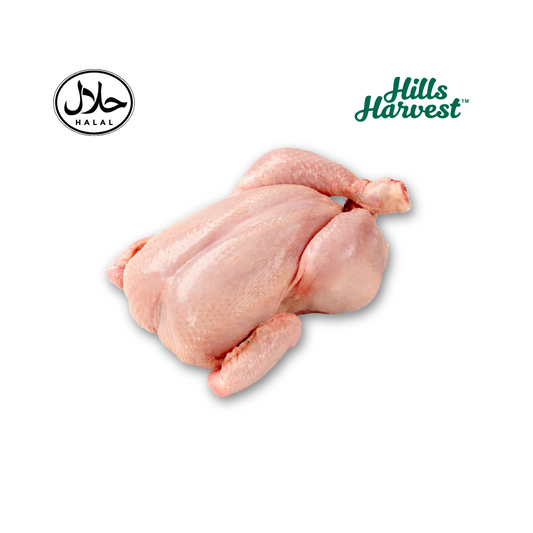
Buying a whole chicken is the most economical way to get chicken on the table. You get breast, thighs, drumsticks, wings, and the carcass for stock, all in one purchase.
When to Buy Whole
-
Roast chicken. A whole roasted chicken is one of the simplest and most satisfying meals you can make. Season the cavity with lemon, garlic, and herbs. Rub the skin with oil and salt. Roast at 200C for about 1 hour 15 minutes (for a 1.5kg bird). The result feeds a family of four to six.
-
Large family meals. When feeding a crowd, whole chickens are more cost-effective than buying individual cuts. Two whole chickens cost less than the equivalent weight in breast fillets.
-
Stock and soup. After eating the meat, use the carcass to make chicken stock. Simmer the bones with onion, celery, carrot, and water for 2-3 hours. Homemade stock is far superior to anything from a packet, and it is essentially free when you have already used the meat.
-
Cutting your own portions. If you are comfortable with a sharp knife, breaking down a whole chicken into eight pieces (two breasts, two thighs, two drumsticks, two wings) gives you complete control over portion size and saves money compared to buying pre-cut pieces.
Cost Comparison
A whole chicken typically costs 30-40% less per kilogram than buying the same weight in individual cuts. For families cooking chicken multiple times a week, this adds up to meaningful savings over a month.
Storage Tip
If you buy a whole chicken but do not need to cook it all at once, break it down, use what you need, and freeze the rest in labelled portions. For detailed guidance on freezing and thawing, see our guide to storing fresh meat.
Chicken Wings: Snack Size, Big Flavour
Wings are small, but they pack more flavour per gram than almost any other cut. The high skin-to-meat ratio means they crisp up beautifully, and the combination of cartilage, skin, and dark meat creates a rich, savoury bite.
Best Dishes for Wings
-
Air fryer wings. Toss with oil and salt, air fry at 200C for 20-25 minutes, then coat in your sauce of choice (buffalo, honey soy, peri peri, or a simple chilli-garlic glaze).
-
Oven-baked wings. Spread on a wire rack over a baking tray. Bake at 220C for 35-40 minutes until the skin is deeply golden and crispy.
-
Appetisers and snacks. Wings are perfect for parties, game nights, and iftar platters. They are meant to be eaten with your hands, which makes them social and fun.
-
Grilled wings. Marinate in a blend of spices, yoghurt, and lemon, then grill until charred at the edges.
Cooking Tips for Wings
-
Pat dry before cooking. Moisture on the skin prevents it from crisping. Dry the wings thoroughly with paper towels before seasoning.
-
Baking powder trick. Toss wings in a small amount of baking powder (not baking soda) before baking. This raises the skin's pH and produces crispier results without deep-frying.
-
Separate the flats and drumettes. Cut through the joint to separate the two sections. They cook more evenly when separated.
Cost Level
Wings are affordable per piece but the meat-to-bone ratio is lower than other cuts. They are best treated as snacks or appetisers rather than the main protein for a family dinner.
Chicken Mince: The Hidden Gem
Chicken mince is underrated. It cooks fast, absorbs spices well, and is significantly cheaper than buying breast or thigh fillets. If you are not already using chicken mince regularly, you are missing out on one of the most versatile proteins in your kitchen.
Best Dishes for Chicken Mince
-
Chicken keema. Mince cooked in a spiced onion-tomato masala with peas. A staple weeknight curry that takes 20 minutes from start to finish. Pair with roti, naan, or rice.
-
Chicken kofta. Mix mince with grated onion, green chillies, coriander, cumin, and salt. Shape into balls or cylinders and grill, bake, or simmer in a tomato sauce.
-
Chicken kebabs. Shaped onto skewers and grilled. Use a pre-made masala mix to season quickly.
-
Burgers. Form mince into patties with a binding of egg and breadcrumbs. Season well, as chicken mince is mild on its own.
-
Bolognese and pasta sauces. A lighter alternative to beef mince in pasta dishes.
-
Stuffed capsicums or zucchini. Mix seasoned mince with rice, stuff into hollowed vegetables, and bake.
Cooking Tips for Mince
-
Break it up early. When browning mince, break it into small pieces as soon as it hits the pan. Large clumps do not brown evenly.
-
Do not crowd the pan. Cook in batches if necessary. Overcrowding the pan steams the mince instead of browning it.
-
Season generously. Chicken mince is milder than beef mince, so it needs more seasoning to carry flavour.
-
Use it within 1 day of purchase if refrigerated, or freeze it immediately. Mince has more surface area exposed to air than whole cuts, so it spoils faster. The Australian Chicken Meat Federation recommends using minced chicken within one day of purchase.
Cost Level
Chicken mince is one of the most affordable chicken products. Per serve, it often works out cheaper than any other cut.
Hard Chicken (Frozen Whole): A South Asian Kitchen Essential
Hard chicken is a term used widely in South Asian communities to describe frozen whole chickens. These birds are typically smaller and leaner than the fresh whole chickens you find at supermarkets. They have a firmer texture and a more concentrated flavour that many home cooks prefer for certain dishes.
What Makes Hard Chicken Different?
-
Texture. The meat is firmer and denser than fresh chicken. When cooked in a curry or biryani, it holds its shape and does not become mushy.
-
Flavour. Many cooks find that hard chicken produces a deeper, more "chicken-y" flavour in curries and gravies compared to fresh chicken.
-
Size. Hard chickens are usually smaller (around 800g to 1.2kg each), which makes them practical for smaller households or recipes that call for a whole bird.
-
Storage. Because they are already frozen, hard chickens are convenient for stocking up. Keep them in your freezer and thaw when needed.
Best Dishes for Hard Chicken
-
Traditional curries. Hard chicken is the preferred choice for many Pakistani, Bangladeshi, and Indian home cooks making everyday curry. The firm texture holds up well in simmering masala.
-
Slow-cooked stews. The dense meat benefits from longer cooking times, becoming tender and flavourful as it absorbs the gravy.
-
Stock and broth. A whole hard chicken simmered for hours produces rich, gelatinous stock.
How to Thaw Hard Chicken Safely
Move the frozen chicken from the freezer to the refrigerator and let it thaw overnight (8-12 hours). Do not thaw at room temperature, as this creates a food safety risk. For faster thawing, submerge the sealed chicken in cold water, changing the water every 30 minutes. For full storage and thawing guidance, read our guide to storing fresh meat.
Cost Level
Hard chicken is typically the most affordable way to buy whole chicken. Buying two or three at a time and keeping them in the freezer is a practical, budget-friendly strategy.
Quick Comparison: Which Cut for Which Dish?
Use this table to pick the right halal chicken cut for your next meal.
|
Cut |
Best For |
Cooking Time |
Cost Level |
Flavour Level |
|
Drumsticks |
Curry, tandoori, roast, kids' meals, fried chicken |
25-40 min |
$ (budget) |
Rich (bone-in) |
|
Thighs (bone-in) |
Biryani, karahi, curry, grilling |
25-45 min |
$$ (mid-range) |
Rich (bone + fat) |
|
Thighs (boneless) |
Stir-fry, butter chicken, wraps, kebabs |
10-20 min |
$$ (mid-range) |
Good (fat, no bone) |
|
Breast |
Tikka, stir-fry, salads, wraps, schnitzel, meal prep |
8-15 min |
$$$ (premium) |
Mild (lean) |
|
Whole chicken |
Roast, stock, large family meals, cutting into portions |
60-80 min |
$ (best value) |
Full (all parts) |
|
Wings |
Air fryer, oven-baked, appetisers, grilled snacks |
20-40 min |
$ (budget) |
Rich (skin + dark meat) |
|
Chicken mince |
Keema, kofta, kebabs, burgers, pasta sauce |
10-15 min |
$ (budget) |
Mild (needs seasoning) |
|
Hard chicken (frozen whole) |
Traditional curry, slow-cooked stew, stock |
45-90 min |
$ (budget) |
Deep (firm, concentrated) |
Best Halal Chicken Cut for Popular Dishes
Still not sure? Here are direct recommendations for the dishes our customers cook most often.
Best chicken for biryani: Bone-in thighs or a mix of thighs and drumsticks. The bone adds flavour to the rice during dum cooking, and the fat keeps the meat juicy. Never use breast for biryani. See our full biryani recipe guide.
Best chicken for curry: Drumsticks or bone-in thighs. Both hold up well in simmering sauce and contribute flavour to the gravy through the bone.
Best chicken for tikka: Breast, cut into 3cm cubes. The quick, high-heat cooking of tikka suits lean breast perfectly. Marinate in yoghurt and spices for at least 1 hour.
Best chicken for karahi: Bone-in thighs, cut into medium pieces. Karahi is cooked fast and hot, and thighs hold their shape under intense heat.
Best chicken for butter chicken: Boneless thighs, cut into chunks. Thighs produce richer, more flavourful butter chicken than breast.
Best chicken for roasting: Whole chicken for a centrepiece roast. Drumsticks or bone-in thighs for individual portions.
Best chicken for kids: Drumsticks (easy to hold, hard to overcook), wings (fun finger food), and chicken mince (kofta, kebabs, burgers).
Best chicken for meal prep: Breast fillets. They slice evenly, reheat adequately, and offer the most protein per calorie.
Best chicken for kebabs and kofta: Chicken mince for shaped kebabs and kofta. Boneless thighs for chunk-style kebabs.
Best chicken for stock: Whole chicken carcass (after roasting), or hard chicken. The bones, cartilage, and connective tissue produce a rich, gelatinous stock.
Nutritional Comparison: Chicken Cuts at a Glance
Different cuts have different nutritional profiles. Here is a comparison per 100g of cooked, skinless chicken, based on data from Healthline's nutritional analysis:
|
Cut |
Calories |
Protein |
Fat |
|
Breast |
165 kcal |
31g |
3.6g |
|
Drumstick |
155 kcal |
24g |
5.7g |
|
Thigh |
179 kcal |
25g |
8.2g |
|
Wing |
203 kcal |
30g |
8.1g |
Key takeaway: Breast is the leanest option with the highest protein-to-calorie ratio. Drumsticks offer a good balance of protein and flavour at the lowest calorie count. Thighs have the most fat, which is precisely why they taste the richest. All cuts are excellent sources of protein.
If your priority is lean protein (for example, during weight management), breast is the clear choice. If your priority is flavour and you are not counting macros, thighs and drumsticks will produce tastier results.
Frequently Asked Questions About Halal Chicken Cuts
What is the best chicken cut for biryani?
Bone-in thighs are the best cut for biryani. The bone adds flavour to the rice during the dum (steaming) process, and the higher fat content keeps the meat juicy. A mix of bone-in thighs and drumsticks also works well. Avoid breast for biryani, as it dries out during the long cooking time.
Is chicken breast or thigh better for curry?
Thighs are better for curry. Curry involves simmering meat in sauce for 15-30 minutes, and thighs stay moist and tender throughout. Breast dries out and becomes tough in curries that cook for more than 10-15 minutes. If you prefer breast, add it late in the cooking process and simmer for no more than 10 minutes.
Why do chefs prefer chicken thighs over breast?
Chefs prefer thighs because they are more forgiving, more flavourful, and more versatile. The higher fat content in thighs bastes the meat from the inside as it cooks, keeping it moist even if the cooking time runs slightly long. Breast requires precise timing and temperature control to avoid drying out, which is difficult in a busy kitchen.
How do I stop chicken breast from drying out?
Four steps: pound the breast to even thickness so it cooks uniformly, brine it in salted water (1 tablespoon salt per litre) for 30 minutes, cook it to 75C internal temperature and no higher, and rest it for 5 minutes before cutting. Yoghurt marinades also help retain moisture. Using a meat thermometer is the most reliable way to avoid overcooking.
What is hard chicken?
Hard chicken is the common term for frozen whole chicken, widely used in South Asian households. These birds are typically smaller and leaner than fresh whole chickens, with a firmer texture and more concentrated flavour. Many home cooks prefer hard chicken for traditional curries and slow-cooked dishes because the meat holds its shape and produces a richer gravy.
Is bone-in chicken better than boneless?
It depends on the dish. Bone-in chicken is better for curries, biryani, roasting, and any dish with a long cooking time because the bone adds flavour and helps keep the meat moist. Boneless chicken is better for stir-fries, wraps, tikka, and dishes that require quick, even cooking or neat, bite-sized pieces.
What is the cheapest chicken cut?
Whole chicken is the cheapest per kilogram, followed by drumsticks and hard chicken (frozen whole). Chicken mince is also very affordable. Breast fillets are typically the most expensive cut. If you are cooking on a budget, switching from breast to thighs or drumsticks for curries and grilled dishes can reduce your grocery bill without sacrificing taste. In many cases, the cheaper cuts actually taste better.
How should I store fresh chicken after delivery?
Refrigerate fresh chicken immediately at below 5C and use within 2-3 days. Chicken mince should be used within 1 day or frozen immediately. For longer storage, freeze chicken in airtight packaging and use within 3-4 months. Thaw frozen chicken in the refrigerator overnight, never at room temperature. Read our complete guide to storing fresh meat for detailed instructions.
Order Halal Chicken Delivered to Your Door
Every cut covered in this guide is available at Hills Harvest: drumsticks, thighs, breast fillets, whole chickens, wings, chicken mince, and hard chicken. All halal-certified from Australian farms and delivered fresh to your door in western Sydney.
Hills Harvest delivers to the Hills Shire, Blacktown, Parramatta, and Hawkesbury every Monday, Tuesday, and Wednesday. Order by 9:00 AM on a delivery day and receive your groceries between 12:00 PM and 10:00 PM the same day. Orders over $30 qualify for free delivery.
Need spices or pre-made masala mixes to go with your chicken? Add them to the same order and get everything delivered together.