
Your Shopping Cart
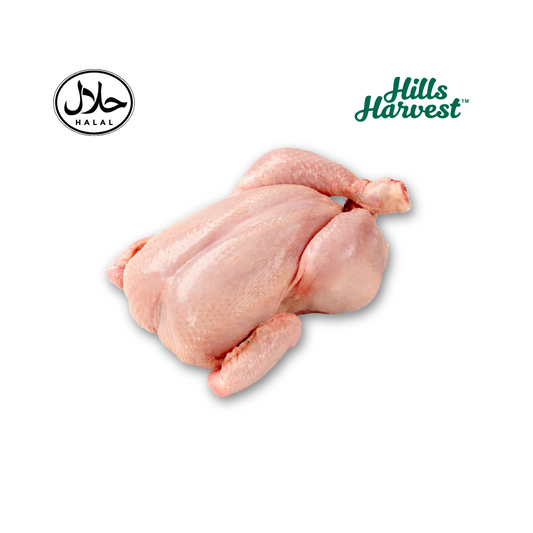
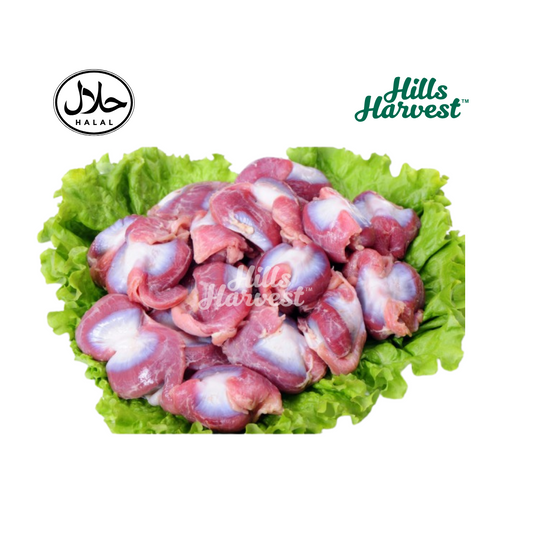


How to Store Fresh Meat: A Complete Guide
You have just received your halal meat delivery, or you have come home from the butcher with a week's worth of chicken, beef, lamb, goat, and fish. Now what? How you store that meat in the next 30 minutes determines whether it stays fresh, safe, and delicious for days or weeks to come, or whether it spoils before you get a chance to cook it.
Proper meat storage is not complicated, but it does matter. Storing meat at the wrong temperature, in the wrong packaging, or for too long is the leading cause of food waste in Australian households. The average Australian family throws away approximately $1,000 worth of food per year, and meat is one of the most commonly wasted items.
This guide covers everything you need to know about storing fresh halal meat: fridge storage times, freezer storage, the best ways to defrost, and practical tips for getting the most out of every cut you buy from Hills Harvest or your local halal butcher.
The Golden Rule: Temperature
The single most important factor in meat storage is temperature. Bacteria that cause foodborne illness grow rapidly between 5C and 60C (known as the "danger zone" in food safety). Your goal is to keep meat below 5C at all times until you are ready to cook it.
Fridge Temperature
Your fridge should be set to 0-4C. Most household fridges have a temperature dial or digital display. If you are not sure what temperature your fridge is running at, buy a simple fridge thermometer (available for a few dollars at any supermarket or hardware store) and check.
Common problem: Many household fridges run warmer than people think, especially if:
-
The door is opened frequently
-
The fridge is overpacked (air cannot circulate)
-
The seals are worn or dirty
-
The fridge is old and the thermostat is inaccurate
If your fridge is running at 6-8C instead of 0-4C, your meat will spoil significantly faster than the times listed in this guide.
Freezer Temperature
Your freezer should be set to -18C or below. At this temperature, bacterial growth is effectively halted (though not killed). Meat stored at a consistent -18C remains safe to eat indefinitely from a food safety perspective, though quality (texture and flavour) does deteriorate over time.
How Long Does Fresh Meat Last in the Fridge?
Here is a reference table for how long different types of fresh meat can be safely stored in the fridge at 0-4C. These times assume the meat was fresh when you received it and was refrigerated promptly.
|
Meat Type |
Fridge Storage (0-4C) |
Notes |
|
Chicken (whole or pieces) |
1-2 days |
Poultry is the most perishable common meat. Use quickly or freeze. |
|
Chicken mince |
1 day |
Mince has more surface area exposed to bacteria. Use same day or next day. |
|
Beef (steaks, roasts) |
3-5 days |
Larger, whole cuts last longer than smaller pieces. |
|
Beef (curry pieces) |
2-3 days |
Cut surfaces increase bacterial exposure. |
|
Beef mince |
1-2 days |
Use within 1-2 days or freeze immediately. |
|
Lamb (chops, roasts) |
3-5 days |
Similar to beef. |
|
Lamb mince |
1-2 days |
Same as beef mince. |
|
Goat (curry pieces) |
2-3 days |
Similar to beef curry pieces. |
|
Fish (whole or fillets) |
1-2 days |
Fish is highly perishable. Cook or freeze quickly. |
|
Dry fish (shutki) |
Weeks to months |
Dried and preserved. Store in a sealed container. |
|
Tripe |
1-2 days |
Offal is highly perishable. |
|
Giblets |
1-2 days |
Use promptly or freeze. |
Key Takeaway
If you plan to cook the meat within 1-2 days, refrigeration is fine. If you will not use it within that window, freeze it immediately. Do not wait until day 3 to decide the chicken should go in the freezer.
How to Store Meat in the Fridge
Proper fridge storage is about more than just putting the meat inside and closing the door. Where you place it, how you wrap it, and what it sits next to all matter.
1. Store on the Lowest Shelf
Always store raw meat on the lowest shelf of your fridge. This prevents any drips or leaks from contaminating other foods below. If raw chicken juice drips onto ready-to-eat foods (salad, fruit, cooked leftovers), it creates a serious cross-contamination risk.
2. Use a Tray or Container
Place meat packages on a plate, tray, or in a container to catch any liquid that might leak through the packaging. This also makes it easier to clean.
3. Keep It in Its Original Packaging (or Rewrap)
If the meat came in vacuum-sealed or tightly wrapped packaging (as it does from Hills Harvest), leave it in that packaging until you are ready to use it. The packaging is designed to minimise air exposure and bacterial growth.
If the packaging is damaged or you have bought from a butcher in paper wrapping, transfer the meat to an airtight container or wrap it tightly in cling film or a sealed zip-lock bag.
4. Separate Different Meats
Store chicken separately from beef, lamb, and goat. Poultry carries a higher risk of salmonella and campylobacter. Keeping it isolated prevents cross-contamination.
5. Do Not Wash Raw Meat Before Storing
Washing raw meat before storage (or before cooking) is not recommended by Food Standards Australia New Zealand (FSANZ). Washing splashes bacteria onto your sink, benchtop, and surrounding surfaces. Cooking kills bacteria more effectively than washing.
Some cultural traditions include washing or soaking meat. If this is important to your preparation, do it immediately before cooking (not before storage) and clean all surfaces thoroughly afterward.
How to Freeze Meat Properly
Freezing is the best way to extend the life of fresh meat. Done correctly, frozen meat retains most of its quality for months.
Freezer Storage Times
These are recommended maximum storage times for maintaining good quality. Meat stored beyond these times is still safe to eat (as long as it has been kept at -18C consistently) but may develop freezer burn or lose flavour and texture.
|
Meat Type |
Freezer Storage (-18C) |
Notes |
|
Chicken (whole) |
12 months |
Wrap tightly or vacuum seal. |
|
Chicken (pieces) |
9 months |
Portion before freezing for easier thawing. |
|
Chicken mince |
3-4 months |
Flatten in zip-lock bags for faster thawing. |
|
Beef (steaks, roasts) |
6-12 months |
Quality holds well. Vacuum sealing extends this. |
|
Beef (curry pieces) |
4-6 months |
Portion into meal-sized quantities. |
|
Beef mince |
3-4 months |
Flatten and freeze in bags. |
|
Lamb (chops, roasts) |
6-9 months |
Similar to beef. |
|
Goat (curry pieces) |
4-6 months |
Wrap tightly to prevent freezer burn. |
|
Fish (whole or fillets) |
3-6 months |
Wrap individually. Fatty fish (hilsha) has a shorter window. |
|
Dry fish (shutki) |
6-12 months |
Already preserved; freezing extends further. |
|
Tripe/giblets |
3-4 months |
Freeze in portions. |
Best Practices for Freezing Meat
1. Freeze as soon as possible. The fresher the meat is when it goes into the freezer, the better it will be when you thaw it. If you know you will not use meat within 1-2 days, freeze it the same day you receive it.
2. Portion before freezing. Divide meat into meal-sized portions before freezing. This means you can thaw exactly what you need without defrosting the entire batch. A family of four typically uses 500g-1kg of meat per meal, so portion accordingly.
3. Remove as much air as possible. Air is the enemy of frozen meat. It causes freezer burn (those dry, greyish-brown patches that affect texture and flavour). Remove air from packaging by:
-
Pressing air out of zip-lock bags before sealing
-
Wrapping tightly in cling film, then aluminium foil
-
Using a vacuum sealer if you have one (the best option)
4. Label everything. Write the type of meat, weight, and date on every package. After a few weeks, frozen chicken and frozen beef can look surprisingly similar, and you will not remember which package went in when.
5. Flatten mince and small pieces. Press mince into flat, even layers inside zip-lock bags before freezing. Flat packages freeze faster, thaw faster, and stack neatly in the freezer.
6. Do not refreeze thawed raw meat. Once meat has been fully thawed, cook it. Do not put it back in the freezer raw. You can, however, freeze cooked meat that was made from previously frozen raw meat (for example, freeze leftover curry made from thawed beef).
How to Defrost Meat Safely
Defrosting is where many people make food safety mistakes. The goal is to thaw the meat while keeping it out of the danger zone (5-60C) for as long as possible.
Method 1: Fridge Thawing (Recommended)
Transfer frozen meat from the freezer to the fridge and let it thaw slowly. This is the safest method because the meat stays below 5C throughout.
|
Meat |
Approximate Thawing Time in Fridge |
|
Chicken pieces (500g) |
12-24 hours |
|
Whole chicken (1.5kg) |
24-36 hours |
|
Beef steak (single) |
12-24 hours |
|
Beef/goat curry pieces (1kg) |
24 hours |
|
Beef mince (500g, flat pack) |
8-12 hours |
|
Fish fillets |
8-12 hours |
|
Lamb chops |
12-24 hours |
Tip: Take meat out of the freezer the night before you plan to cook it. By the following evening, it will be fully thawed and ready.
Place thawing meat on the lowest fridge shelf in a container to catch any drips. Thawed meat should be cooked within 24 hours.
Method 2: Cold Water Thawing (Faster)
If you forgot to move meat to the fridge the night before, cold water thawing is the next best option.
-
Keep the meat in its sealed packaging (or place it in a waterproof zip-lock bag).
-
Submerge it in a bowl of cold tap water.
-
Change the water every 30 minutes to keep it cold.
-
Small packages (500g) thaw in 1-2 hours. Larger packages (1-2kg) take 2-4 hours.
-
Cook immediately after thawing. Do not refrigerate or refreeze.
Important: Use cold water, not warm or hot. Warm water brings the outer surface of the meat into the danger zone while the centre is still frozen, creating ideal conditions for bacterial growth.
Method 3: Microwave Thawing (Fastest, Use with Caution)
Most microwaves have a defrost setting. This is the fastest method but requires immediate cooking afterward because microwaves can partially cook the outer edges of the meat during thawing.
-
Remove all packaging (especially foil or metal trays).
-
Place meat on a microwave-safe plate.
-
Use the defrost setting, entering the weight.
-
Check and rotate halfway through.
-
Cook immediately after thawing.
When to use this method: Only when you plan to cook the meat immediately. Microwave-thawed meat should never be stored or refrozen.
What NOT to Do
-
Never thaw meat on the kitchen counter at room temperature. The outer surface reaches the danger zone (5-60C) long before the centre thaws. This is the most common and most dangerous defrosting mistake.
-
Never thaw meat in hot water. Same problem as above, but faster.
-
Never thaw and refreeze raw meat. Once thawed, cook it.
Special Storage Considerations for Different Meats
Chicken
Chicken is the most perishable commonly purchased meat. It has a higher bacterial load (particularly salmonella and campylobacter) than red meats. Store it on the lowest fridge shelf, use within 1-2 days of purchase, and always wash your hands, cutting board, and knife thoroughly after handling raw chicken.
If you buy whole chickens or chicken pieces from Hills Harvest, freeze any portions you will not use within 48 hours.
Beef
Beef is more forgiving than chicken. Whole cuts (steaks, roasts) can last 3-5 days in the fridge because they have less surface area exposed to bacteria. Once cut into smaller pieces (curry cut, strips), the clock speeds up because more surface is exposed. Browse halal beef
Lamb and Goat
Similar storage rules to beef. Lamb and goat both store well in the fridge for 2-5 days depending on the cut size. Both freeze well and maintain quality for 6-9 months.
Fish
Fish is extremely perishable. Fresh fish should be cooked within 1-2 days of purchase or delivery. If you are ordering katla, hilsha, or rohu from Hills Harvest, plan to cook it the same day or the next day, or freeze it immediately.
Fish storage tip: If storing fish in the fridge for a day, place it in a container and cover it with ice or a damp paper towel. This keeps it colder than the surrounding fridge temperature.
Dry Fish (Shutki)
Dried fish is already preserved through dehydration and salting. It does not require refrigeration for short-term storage (weeks). Store it in a sealed airtight container in a cool, dry place to prevent moisture absorption and odour transfer to other foods. For longer storage (months), keep it in the freezer.
Mince (All Types)
Mince has the shortest fridge life of any meat form because the grinding process exposes maximum surface area to bacteria. Use within 1 day of purchase if refrigerated. If you buy mince in bulk, portion it into meal-sized zip-lock bags and freeze immediately.
Storing Cooked Meat and Leftovers
Leftover curry, grilled chicken, or any cooked meat should be refrigerated within 2 hours of cooking. Here are the storage guidelines:
|
Cooked Meat |
Fridge (0-4C) |
Freezer (-18C) |
|
Cooked chicken |
3-4 days |
2-3 months |
|
Cooked beef/lamb/goat curry |
3-4 days |
3 months |
|
Cooked fish |
2-3 days |
1-2 months |
|
Cooked mince dishes (keema, bolognese) |
3-4 days |
3 months |
Tips for storing leftovers:
-
Cool cooked food to room temperature before refrigerating (but do not leave it out for more than 2 hours)
-
Store in shallow, airtight containers (food cools faster in shallow containers)
-
Label with the date
-
Reheat to at least 75C throughout before eating
Making a big batch of halal beef curry on the weekend? Portion the leftovers into containers and freeze them for quick weeknight dinners throughout the week. See our easy halal dinner ideas for more meal prep strategies.
Preventing Freezer Burn
Freezer burn is the dry, discoloured patches that develop on frozen meat when it is exposed to air inside the freezer. It is not dangerous (you can cut off the affected areas and cook the rest), but it affects texture and flavour.
How to Prevent It
-
Wrap tightly. Double-wrap meat in cling film, then aluminium foil. Or use zip-lock freezer bags with all air pressed out.
-
Use vacuum sealing. A home vacuum sealer (available from $50-100) is the most effective way to prevent freezer burn. It removes virtually all air from the packaging.
-
Do not leave the freezer door open. Every time the door opens, warm air enters and causes ice crystals to form on food surfaces.
-
Keep the freezer full. A full freezer maintains temperature more consistently than a half-empty one. If your freezer is not full, fill the empty space with bottles of water.
-
Use frozen meat within recommended timeframes. The longer meat sits in the freezer, the greater the chance of freezer burn, even with good packaging.
Meat Storage for Eid and Large Gatherings
If you are buying meat in bulk for Eid celebrations or a large family gathering, storage planning is essential.
1-2 Weeks Before the Event
-
Order non-perishable items (spices, rice, lentils, oils, pickles) from Hills Harvest
-
Clear space in your freezer for the meat delivery
-
Check that your fridge and freezer are running at the correct temperatures
2-3 Days Before
-
Order your meat from Hills Harvest on the closest delivery day
-
Freeze any meat you will not cook within 48 hours
-
Move meat you plan to marinate from the freezer to the fridge to begin thawing
The Day Before
-
Transfer remaining frozen meat to the fridge to thaw overnight
-
Begin marinating meat for the next day's cooking
-
Prep aromatics (dice onions, mince garlic, grate ginger) and store in sealed containers in the fridge
Cooking Day
-
All meat should be fully thawed and ready
-
Cook within the day
-
Refrigerate leftovers within 2 hours
Frequently Asked Questions About Meat Storage
How long does fresh chicken last in the fridge?
Fresh chicken lasts 1-2 days in the fridge at 0-4C. Chicken mince should be used within 1 day. If you will not cook it within this window, freeze it immediately. Frozen chicken maintains quality for 9-12 months at -18C.
Can I refreeze meat after thawing?
You should not refreeze raw meat that has been fully thawed. However, you can cook the thawed meat and then freeze the cooked dish. For example, thaw beef, cook it into a curry, and freeze the leftover curry.
How do I know if meat has gone bad?
Signs that meat has spoiled include: a sour or ammonia-like smell, a slimy or sticky texture on the surface, discolouration (grey or green patches), and an off-putting taste. If in doubt, discard it. Do not rely on the "sniff test" alone, as some harmful bacteria do not produce noticeable odours.
Is it safe to eat meat with freezer burn?
Yes. Freezer burn affects quality (texture and flavour) but not safety. Cut off the affected areas and cook the remaining meat normally. To prevent freezer burn, wrap meat tightly and remove as much air as possible before freezing.
How should I store meat after a Hills Harvest delivery?
When your Hills Harvest delivery arrives, unpack the meat immediately. Refrigerate anything you will cook within 1-2 days. Freeze everything else right away, portioned into meal-sized quantities. Store meat on the lowest fridge shelf in a container to catch any drips.
What is the safest way to defrost meat?
The safest method is fridge thawing: transfer frozen meat to the fridge 12-36 hours before you need it (depending on size). The next best option is cold water thawing (1-4 hours, changing water every 30 minutes). Never thaw meat on the counter at room temperature.
How long can cooked meat stay in the fridge?
Cooked chicken, beef, lamb, and goat dishes last 3-4 days in the fridge at 0-4C. Cooked fish lasts 2-3 days. Store leftovers in shallow airtight containers and reheat to at least 75C before eating.
Should I wash meat before storing it?
No. Food Standards Australia New Zealand does not recommend washing raw meat before storage or cooking, as it splashes bacteria onto surrounding surfaces. Cooking kills bacteria more effectively than washing. If cultural tradition requires rinsing, do it immediately before cooking and sanitise all surfaces afterward.
Does halal slaughter affect how long meat lasts?
The halal slaughter process requires thorough blood drainage, which can contribute to a slightly longer shelf life because residual blood promotes bacterial growth. However, the primary factors affecting meat shelf life are temperature, packaging, and handling, regardless of slaughter method. Learn more about what makes meat halal.
Keep Your Halal Meat Fresh
Now that you know how to store meat properly, make sure you have quality halal meat to store. Hills Harvest delivers fresh halal chicken, beef, lamb, goat, and fish across western Sydney every Monday, Wednesday, and Friday. Order by 9:00 AM for same-day delivery. Free delivery on orders over $30.