
Your Shopping Cart


The Ultimate Biryani Guide: Chicken, Goat, and Beef
Biryani is the king of South Asian rice dishes. A single pot of layered, aromatic rice and tender spiced meat can feed a crowd, impress guests, and make an ordinary weeknight feel like a celebration. It is the centrepiece of Eid tables, Friday family dinners, and gathering feasts across Pakistan, India, Bangladesh, and the diaspora communities of western Sydney.
But biryani intimidates many home cooks. The layering, the timing, the rice that needs to be perfectly cooked (not mushy, not crunchy), the meat that needs to be tender, the dum (slow steaming) that brings it all together. It seems complicated.
It is not. Biryani is a methodical dish. If you follow the steps in order and do not rush, you will produce excellent biryani. This guide gives you three complete recipes (chicken, goat, and beef biryani), covers different regional styles, and includes the tips that separate average biryani from outstanding biryani.
Every ingredient is available at Hills Harvest. Order your halal chicken, goat, beef, basmati rice, and spices in one order and have everything delivered to your door in western Sydney.
The Fundamentals: What Makes Great Biryani
Before the recipes, here are the non-negotiable elements that apply to every style of biryani.
1. The Rice Must Be Right
Biryani rice should be long, separate, and fragrant. Every grain should be distinct, not clumped together.
Use aged basmati rice. Aged basmati (1+ year old) absorbs less water and stays firmer during cooking, which produces the separate, fluffy grains you want. India Gate Classic or India Gate Basmati are reliable choices. Order basmati rice from Hills Harvest
Soak the rice. Soak basmati rice in cold water for 30 minutes before cooking. This hydrates the grains so they elongate without breaking. Drain thoroughly before par-boiling.
Par-boil to 70%. The rice should be cooked about 70% of the way in boiling salted water before layering. It will finish cooking during the dum (steaming) phase. If you fully cook the rice before layering, it will be mushy in the final biryani. Test by biting a grain: the centre should still have a slight firmness.
2. The Meat Must Be Fully Cooked Before Layering
Unlike a one-pot rice dish where meat and rice cook together, biryani layers pre-cooked (or nearly cooked) meat with par-boiled rice. The dum phase is for melding flavours, not for cooking raw meat.
-
Chicken pieces need 15-20 minutes in the masala
-
Goat/mutton curry pieces need 45-60 minutes (or 20-25 minutes in a pressure cooker)
-
Beef curry pieces need 60-90 minutes (or 25-30 minutes in a pressure cooker)
3. The Fried Onions Are Essential
Golden-brown fried onions (birista) are not optional in biryani. They contribute sweetness, colour, and depth to both the meat layer and the rice. Fry them in batches until deep golden (not burnt), drain on paper towels, and reserve. You will use them in the meat, between layers, and as a topping.
4. Whole Spices Create the Aroma
The fragrance of biryani comes from whole spices bloomed in hot oil or ghee: green and black cardamom, cinnamon sticks, cloves, bay leaves, star anise, and mace. These should be added early in the cooking process.
5. The Dum (Slow Steam) Brings It Together
Dum is the final step where the layered pot is sealed and cooked on very low heat. The steam trapped inside finishes cooking the rice, infuses it with the meat's juices and spices, and creates the characteristic layered texture. This usually takes 20-30 minutes.
Chicken Biryani Recipe (Serves 6)
This is a classic Lucknowi-style chicken biryani (also called pakki biryani) where the chicken is cooked in a masala first, then layered with par-boiled rice.
Ingredients
For the chicken masala:
-
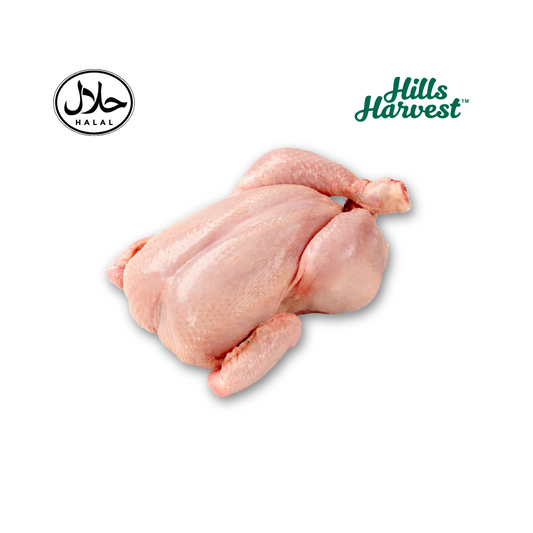
1 kg halal chicken pieces (leg quarters or thighs, bone-in) (order chicken)
-
3 large onions, finely sliced
-
1/2 cup yoghurt
-
3 tomatoes, chopped
-
6 cloves garlic, minced
-
2-inch ginger, grated
-
3 green chillies, slit
-
1 tsp turmeric, 1 tsp chilli powder, 1 tsp cumin powder, 1 tsp coriander powder
-
Oil for frying (4-5 tbsp)
-
Salt to taste
Whole spices: 4 green cardamom, 2 black cardamom, 4 cloves, 1 cinnamon stick (5cm), 2 bay leaves, 1 star anise
For the rice:
-
3 cups basmati rice, soaked 30 minutes
-
Large pot of water with 1 tbsp salt, 2 bay leaves, 4 green cardamom, 4 cloves
For layering and dum:
-
1/2 cup warm milk mixed with a pinch of saffron (or yellow food colour)
-
2 tbsp ghee
-
Fried onions (from 2 onions, sliced and deep-fried until golden)
-
Fresh mint leaves (a handful)
-
Fresh coriander leaves (a handful)
Shortcut option: Replace the individual masala spices with 1 packet of Shan Biryani Mix. Follow the packet for spice quantities and add at the appropriate step. Browse Shan spice mixes
Instructions
Step 1: Fry the onions (15 minutes)
Slice 2 onions thinly. Heat oil in a pan and deep-fry in batches until deep golden brown. Remove with a slotted spoon and drain on paper towels. Reserve the oil.
Step 2: Make the chicken masala (20 minutes)
-
In a heavy-bottomed pot, heat 3 tbsp of the reserved onion oil. Add the remaining sliced onion and cook until golden (5-6 minutes).
-
Add whole spices and stir for 30 seconds.
-
Add ginger and garlic. Cook for 2 minutes.
-
Add chicken pieces and brown on all sides (5 minutes).
-
Add turmeric, chilli, cumin, and coriander powder. Stir well.
-
Add tomatoes and cook for 3-4 minutes.
-
Add yoghurt and salt. Stir, cover, and cook for 12-15 minutes until chicken is cooked through and the masala is thick. The masala should not be watery.
Step 3: Par-boil the rice (8-10 minutes)
-
Bring a large pot of water to a rolling boil. Add salt, bay leaves, cardamom, and cloves.
-
Add the soaked and drained rice.
-
Cook for 5-7 minutes until the rice is about 70% done (firm in the centre when bitten).
-
Drain immediately and set aside. Do not overcook.
Step 4: Layer and dum (25-30 minutes)
-
Spread the chicken masala evenly in the bottom of a heavy pot.
-
Scatter a layer of fried onions, mint leaves, and coriander over the chicken.
-
Spread the par-boiled rice evenly over the top.
-
Drizzle the saffron milk over the rice in lines.
-
Dot the surface with ghee.
-
Top with remaining fried onions.
-
Cover with a tight-fitting lid. If the lid does not seal well, place a sheet of aluminium foil over the pot, then press the lid on top.
-
Cook on the lowest possible heat for 20-25 minutes.
-
Turn off the heat and let it rest (lid still on) for 5 minutes.
Step 5: Serve
Gently turn the biryani onto a serving platter using a large spoon, scooping from the bottom to mix the layers partially while keeping some visual layering. Garnish with extra fried onions and fresh coriander.
Goat (Mutton) Biryani Recipe (Serves 6)
Goat biryani has a deeper, gamier flavour than chicken biryani. The meat takes longer to cook, but the result is richer and more complex.
Key Differences from Chicken Biryani
-
Meat: Use 1 kg halal goat curry pieces, bone-in (order goat)
-
Cooking the meat: Goat needs 45-60 minutes in the masala (or 20-25 minutes in a pressure cooker) before layering. The meat should be nearly falling off the bone.
-
More yoghurt: Increase to 3/4 cup yoghurt for the marinade and masala. Yoghurt tenderises goat meat.
-
Marinate overnight: For the best results, marinate goat pieces in yoghurt, ginger-garlic paste, and spices overnight. This makes a significant difference in tenderness.
-
More water in masala: Add 1/2 cup water when cooking the goat. Goat releases less moisture than chicken.
Adjusted Masala Method
-
Marinate goat with yoghurt, turmeric, chilli, salt, ginger-garlic paste, and half the fried onions for at least 2 hours (overnight is ideal).
-
Brown the remaining onions in the pot. Add whole spices.
-
Add marinated goat and all the marinade. Stir well.
-
Add tomatoes and 1/2 cup water.
-
Cover and cook on low heat for 45-60 minutes, checking every 15 minutes and adding water if it dries out.
-
The goat is ready when the meat is very tender and the masala is thick.
-
Proceed with rice par-boiling, layering, and dum exactly as in the chicken biryani recipe.
Pressure cooker shortcut: Cook the goat masala in a pressure cooker for 20-25 minutes on medium pressure. Release naturally. Then transfer to a heavy pot for the layering and dum.
Beef Biryani Recipe (Serves 6)
Beef biryani is the richest of the three. The beef renders more fat during cooking, which enriches the masala and, during dum, infuses the rice with deep beefy flavour.
Key Differences
-
Meat: Use 1 kg halal beef curry pieces (chuck is ideal) (order beef). For tips on choosing the best cut, see our halal beef curry recipe.
-
Cooking time: Beef needs 60-90 minutes in the masala (or 25-30 minutes in a pressure cooker).
-
More robust spices: Add 1 tsp of whole cumin seeds, 2 extra cloves, and a blade of mace for a bolder spice profile.
-
Kewra water (optional): A few drops of kewra (pandanus) water sprinkled over the top layer before dum adds a distinctive floral note common in Hyderabadi beef biryani.
Adjusted Masala Method
-
Follow the same onion, whole spice, ginger-garlic, tomato, yoghurt sequence as the chicken biryani.
-
After adding the beef, cook on low heat for 60-90 minutes with 1 cup of water, checking every 20 minutes.
-
The beef should be very tender and the masala should be thick and concentrated.
-
Proceed with layering and dum.
Regional Biryani Styles
Hyderabadi Biryani (Kacchi Style)
In kacchi (raw) biryani, raw marinated meat is layered with par-boiled rice and everything cooks together during the dum. This is the most traditional Hyderabadi method.
Key differences:
-
Raw meat is marinated for 4+ hours (or overnight) in yoghurt, ginger-garlic, green chilli paste, mint, fried onions, and biryani spices
-
The raw marinated meat goes directly into the pot; no pre-cooking
-
Par-boiled rice is layered on top
-
Dum time is longer (40-50 minutes on very low heat) to ensure the raw meat cooks through
-
Saffron, kewra water, and ghee are used liberally
-
The pot is sealed with dough (atta dough pressed around the rim) for a perfect seal
This method produces the most flavourful biryani but requires precise heat control. If the heat is too high, the bottom burns. If too low, the meat does not cook through.
Pakistani Biryani
Pakistani biryani is typically made pakki-style (meat pre-cooked) with a bold, tomato-heavy masala.
Distinctive features:
-
More tomatoes than other styles (some recipes use up to 500g for 1kg of meat)
-
Green chillies are used generously
-
Potatoes are sometimes layered between the meat and rice (a popular Karachi tradition)
-
The masala is intensely flavoured and slightly tangy
-
Shan Biryani Mix or Shan Bombay Biryani Mix captures the Pakistani flavour profile perfectly
Bengali Biryani (Polao-Biryani Hybrid)
Bengali biryani is subtler and more aromatic than its Pakistani and Hyderabadi counterparts.
Distinctive features:
-
Chinigura rice (short-grain aromatic rice) is sometimes used instead of basmati for a Bengali-style polao biryani. Order Chinigura rice from Hills Harvest
-
Fewer spices overall; relies on cardamom, cinnamon, bay leaf, and ghee for fragrance
-
Potatoes and boiled eggs are traditional additions, layered with the meat
-
The flavour profile is gentler and more ghee-forward
-
Rose water or kewra water is common
-
Goat (mutton) is the traditional Bengali biryani meat
Essential Tips for Perfect Biryani
1. Do Not Rush the Onions
Golden fried onions (birista) are the backbone of biryani flavour. Fry them slowly over medium heat. If they brown too quickly on high heat, they will be dark outside but raw inside. You want deep, even, caramelised gold throughout.
2. The 70% Rice Rule
Par-boil rice to 70% done, not 100%. It finishes during dum. Over-cooked rice before layering results in mushy biryani. When in doubt, undercook the rice slightly. You can always extend the dum time, but you cannot fix overcooked rice.
How to test: Bite a grain. It should be soft on the outside with a slight firmness (not crunch) in the very centre.
3. Seal the Pot Properly
The dum phase relies on trapped steam to finish cooking the rice and meld the flavours. If steam escapes, the rice dries out on top while the bottom gets wet. Use:
-
A heavy, tight-fitting lid
-
Aluminium foil under the lid for a better seal
-
Or traditional atta dough pressed around the rim
4. Use the Lowest Heat Possible
During dum, the heat should be as low as your stove allows. If you have a gas stove, use the smallest burner on its lowest setting. If you have an electric or induction stove, use the lowest temperature available. Some cooks place a tawa (flat griddle) between the burner and the pot as a heat diffuser.
5. Do Not Open the Lid During Dum
Opening the lid releases the trapped steam that is cooking the rice. Resist the temptation. Trust the process. Set a timer and walk away.
6. Rest Before Serving
After dum, turn off the heat and let the biryani rest with the lid on for 5-10 minutes. This allows the moisture to distribute evenly and makes the biryani easier to serve without breaking the rice grains.
7. Serve from the Bottom
When serving, scoop from the bottom of the pot first to get the meat layer, then mix gently with the rice. This ensures each serving gets both meat and rice with the full range of flavours.
Common Biryani Mistakes (and How to Fix Them)
|
Problem |
Cause |
Fix |
|
Mushy rice |
Rice par-boiled too long |
Cook rice to 70% next time. Reduce boiling time by 1-2 minutes. |
|
Dry rice on top |
Steam escaping during dum |
Seal pot better with foil. Check lid fit. |
|
Burnt bottom |
Heat too high during dum |
Lower the heat. Use a heat diffuser. |
|
Bland flavour |
Not enough salt in the rice water, or not enough fried onions |
Salt the rice water generously (it should taste like sea water). Use more fried onions. |
|
Meat not tender |
Not cooked enough before layering |
Pre-cook meat fully (or nearly fully) before adding rice. Use a pressure cooker for goat/beef. |
|
No distinct layers |
Stirring during or after dum |
Do not stir. Layer carefully and serve by scooping from the bottom. |
|
Soggy overall |
Too much liquid in masala before layering |
Reduce the masala until it is thick with visible oil separation before layering. |
Biryani for Large Groups
Cooking biryani for 15, 20, or 30 people is common for Eid, family gatherings, and community events. Here is how to scale up. For detailed quantities, see our Eid grocery shopping list.
Scaling the Recipe
|
Guests |
Rice |
Meat (bone-in) |
Onions (for frying + masala) |
Yoghurt |
|
6 |
3 cups (600g) |
1 kg |
5 large |
1/2 cup |
|
10 |
5 cups (1 kg) |
1.7 kg |
8 large |
3/4 cup |
|
15 |
7 cups (1.4 kg) |
2.5 kg |
12 large |
1 cup |
|
20 |
10 cups (2 kg) |
3.5 kg |
15 large |
1.5 cups |
|
30 |
15 cups (3 kg) |
5 kg |
20 large |
2 cups |
Large-Batch Tips
-
Cook in multiple pots. Do not try to make 5 kg of biryani in one pot. The rice will not cook evenly. Use 2-3 pots of manageable size.
-
Fry onions in advance. Fried onions can be made hours ahead and stored at room temperature.
-
Use a pressure cooker for the meat. When cooking for 20+ people, pre-cooking goat or beef on the stove takes too long. Pressure cook the meat, then layer.
-
Shan Biryani Mix ensures consistency. When making multiple batches, using the same measured spice mix in each batch ensures uniform flavour.
What to Serve with Biryani
Biryani is a complete dish, but these sides elevate it:
-
Raita: Yoghurt with cucumber, onion, cumin, and salt. Cools the palate.
-
Mirchi ka salan: A Hyderabadi chilli and peanut gravy. The traditional accompaniment to Hyderabadi biryani.
-
Boiled eggs: Halved, lightly fried, and placed on top. Classic in Bengali and Lucknowi biryani.
-
Pickles: Mango achar, mixed pickle, or lime pickle. Browse pickles at Hills Harvest
-
Simple green salad: Sliced onion, cucumber, tomato, green chilli, and lemon juice.
-
Shorba (light soup): A clear, spiced broth served alongside in some traditions.
Frequently Asked Questions About Biryani
What is the best rice for biryani?
Aged basmati rice is the best choice. Aged basmati (1+ year old) absorbs less water and stays firmer, producing the separate, fluffy grains that define good biryani. India Gate Basmati is a widely trusted brand. For Bengali-style biryani, Chinigura rice is an aromatic alternative. Order rice from Hills Harvest
What is the best meat for biryani?
Chicken (bone-in thighs or leg quarters), goat/mutton (curry pieces with bone), and beef (chuck) all make excellent biryani. Bone-in cuts are preferred because the bones add flavour to the masala and the meat stays juicier. For a quicker biryani, use chicken. For the richest flavour, use goat or beef.
How long should I cook biryani on dum?
For chicken biryani, 20-25 minutes on the lowest heat setting. For goat or beef biryani (where the meat is pre-cooked), the same 20-25 minutes. For kacchi (raw meat) biryani, 40-50 minutes on very low heat. After dum, rest with the lid on for 5-10 minutes before serving.
Can I make biryani without a heavy pot?
A heavy-bottomed pot (Dutch oven or degchi) distributes heat evenly and prevents burning. If you only have a thin pot, place a tawa (flat pan) between the burner and the pot as a heat diffuser. You can also use an oven: after layering, cover the pot tightly with foil and a lid, and cook in a 160C oven for 25-30 minutes.
Why is my biryani rice mushy?
The most common cause is over-cooking the rice before layering. Par-boil to only 70% done (soft outside, slight firmness in the centre). Other causes include too much liquid in the masala or the lid not sealing properly (steam condenses and drips back onto the rice).
Can I use Shan Biryani Mix instead of individual spices?
Yes. Shan Biryani Mix is formulated specifically for biryani and produces authentic results. It is especially useful when making biryani for a large group, as it ensures consistent flavour across multiple batches. Follow the packet instructions for the spice-to-meat ratio. Browse Shan mixes at Hills Harvest
How do I reheat biryani without drying it out?
Sprinkle 2-3 tablespoons of water over the biryani, cover tightly with a lid or foil, and reheat on the lowest stove setting for 10-15 minutes. Or microwave in a covered container with a splash of water. The steam re-moistens the rice. Do not stir vigorously, as this breaks the grains.
Can I make biryani ahead of time?
Biryani is best served fresh, but it reheats well. You can prepare the meat masala and fry the onions up to a day in advance. Store them separately in the fridge. On serving day, par-boil the rice, layer, and dum. The final dum step should always be done fresh.
How do I prevent the bottom from burning?
Use the lowest possible heat during dum. Place a tawa or heat diffuser under the pot. Some cooks place a layer of sliced potatoes at the bottom of the pot before the meat; the potatoes absorb the direct heat and become crispy (tahdig-style) while protecting the biryani above.
Get Your Biryani Ingredients Delivered
Order everything you need for biryani from Hills Harvest. Halal chicken, goat, beef, basmati and Chinigura rice, Shan biryani mixes, and all the whole spices you need, delivered to your door in western Sydney.